In the modern digital era, mobile phones have become indispensable, serving as gateways to personal, professional, and financial information. As smartphones grow in functionality, they also become prime targets for cyber threats, making mobile phone security a critical concern for individuals, businesses, and governments alike. From sensitive communications and banking details to confidential documents and location data, the wealth of information stored on mobile devices necessitates robust protection measures.
The importance of mobile phone security cannot be overstated. Mobile devices are vulnerable to a wide range of threats, including phishing attacks, spyware, ransomware, and unauthorized access. These threats can lead to data breaches, identity theft, financial fraud, and even corporate espionage. In organizational settings, compromised mobile phones can serve as entry points for hackers to infiltrate broader network infrastructures, posing severe risks to corporate confidentiality and integrity. Thus, securing mobile devices through encryption, regular software updates, multi-factor authentication, and secure browsing practices is essential for minimizing exposure to cyber risks.
One of the most pressing issues in mobile security is the rising prevalence of malware infections. Malware—malicious software designed to damage or exploit devices—can infiltrate smartphones through malicious apps, unsecured Wi-Fi networks, and even seemingly harmless links. Once installed, malware can silently extract data, monitor activities, hijack device functions, or encrypt files for ransom. Malware analysis plays a crucial role in identifying, understanding, and neutralizing these threats. By examining the behavior, structure, and origin of malicious code, cybersecurity professionals can develop effective countermeasures, enhance mobile security protocols, and prevent future attacks.
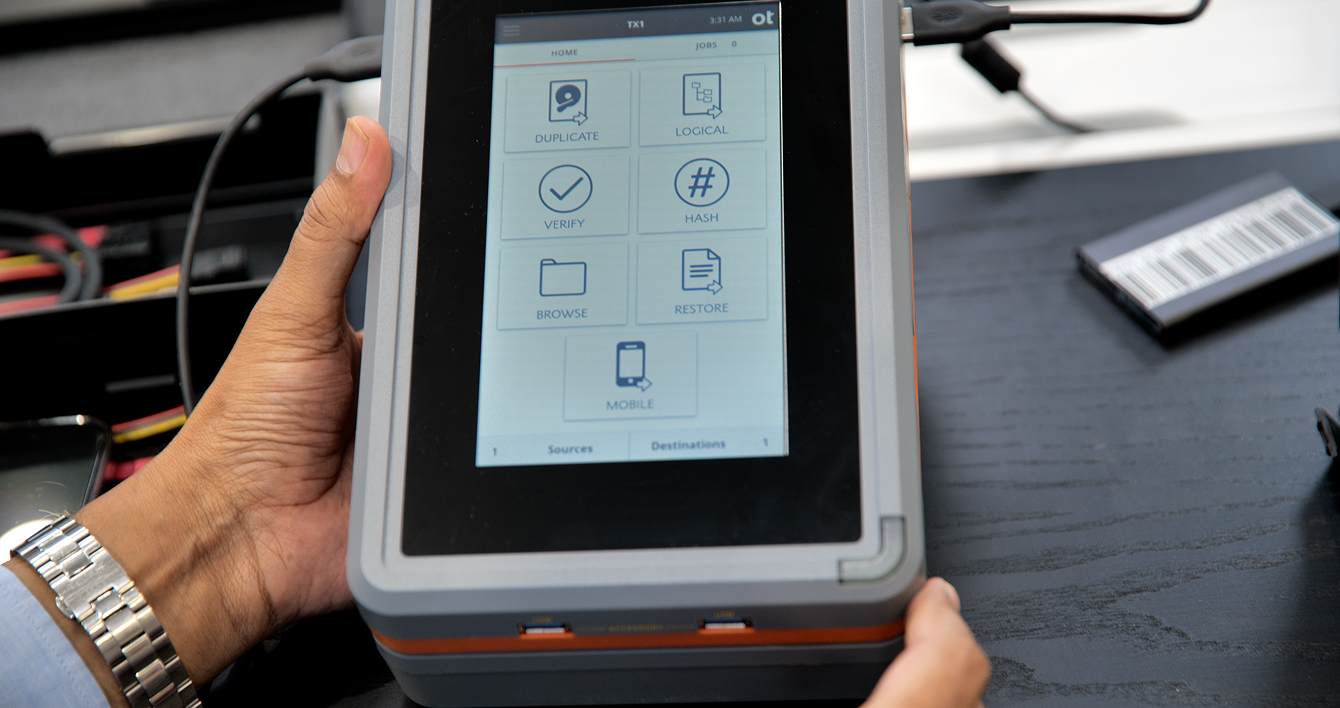
In incidents where mobile phone compromise is suspected or confirmed, a forensic audit of the mobile device becomes imperative. Mobile forensic auditing involves the systematic extraction, preservation, and analysis of data from smartphones and other handheld devices. The process includes recovering deleted messages, call logs, app usage histories, emails, multimedia files, and other critical digital evidence. Advanced forensic tools and techniques enable investigators to trace unauthorized access, identify malware infections, and reconstruct user activities with precision. Importantly, forensic audits are conducted in a manner that ensures the integrity and admissibility of evidence in legal proceedings.
The forensic examination of mobile phones is increasingly vital in criminal investigations, corporate compliance audits, legal disputes, and cybersecurity breach assessments. Whether it’s verifying claims in fraud cases, uncovering hidden communications in criminal probes, or resolving corporate internal threats, mobile forensics provides clear, factual insights. Furthermore, it helps organizations assess vulnerabilities and implement stronger security measures based on real-world evidence.
In conclusion, as mobile phones continue to integrate deeper into our personal and professional lives, the need for comprehensive mobile security becomes paramount. Regular malware analysis and the availability of reliable forensic auditing capabilities are indispensable components of a proactive security framework. By investing in these measures, individuals and organizations can protect sensitive information, uphold privacy, and ensure resilience against an ever-evolving landscape of mobile threats.